Is It Worth Hiring an Interior Designer?

What to Expect from a Professional Design Project
When planning a renovation or new build, many homeowners ask the same question: Is it really worth hiring an interior designer? At first glance, managing layouts, finishes, and contractors independently may seem manageable. But once the realities of construction coordination, budgeting, and countless technical decisions emerge, the value of professional expertise becomes unmistakable.
At STUDIO LEINIK NYC, we view design not only as an aesthetic exercise, but as a disciplined practice that balances creativity, technical precision, and long-term functionality. A thoughtful design approach protects your investment, reduces risk, and creates spaces that perform beautifully over time. Here are three essential reasons why working with a professional designer delivers measurable value: expertise and design documentation, personalized design, and project management.
Experience & Design Documentation
Renovation is a complex and demanding process that requires detailed documentation and experience across multiple disciplines — from spatial planning and lighting design to electrical layouts, material performance, and building coordination. Small oversights can quickly become expensive mistakes. Electrical outlets may end up in inconvenient locations, lighting may fail to support the intended atmosphere, or cabinetry clearances may conflict with appliances and door swings.
A comprehensive drawing set eliminates guesswork. Precise plans define every outlet, switch, fixture, and dimension — all thoughtfully tailored to how you actually live and move through the space. This level of documentation allows contractors to build accurately and efficiently, reducing delays, rework, and unexpected costs.
Material selection is another area where professional guidance proves invaluable. A paint color that looks perfect on a small sample chip can appear completely different once applied across full walls under changing daylight and artificial lighting. Designers evaluate undertones, reflectivity, and finishes — whether flat, eggshell, satin, or gloss — to ensure the final result feels balanced and intentional within your environment. Testing samples directly on the wall before committing is always recommended, but knowing which direction to test comes from experience.
In a dense, fast-moving city like New York, a well-developed design project and an experienced professional guiding the process are essential.
Personalized Design & Visualization
Another defining advantage of professional design services is true personalization. Before the creative process begins, clients typically complete a detailed questionnaire that explores lifestyle patterns, functional needs, aesthetic preferences, and long-term goals. This information allows the designer to translate abstract ideas into a cohesive, highly tailored design strategy.
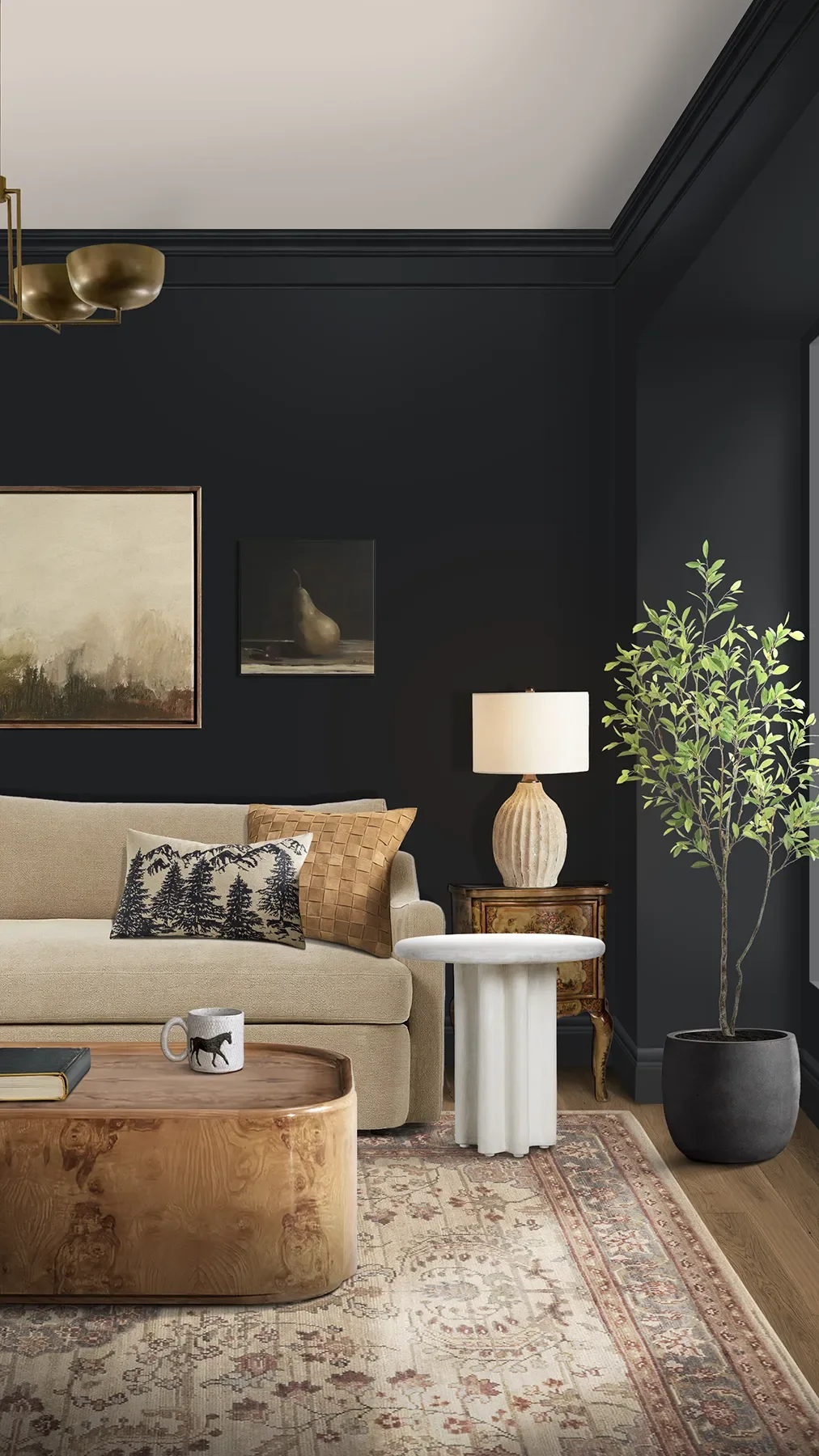
Today, many studios also provide advanced visualization through photorealistic 3D interior renderings, allowing clients in to experience their future home before construction begins. These images communicate scale, materials, lighting, and spatial flow with exceptional clarity, eliminating uncertainty and supporting confident decision-making before financial commitments are made.
Design is not only about visual impact — it is equally about comfort and performance. Circulation, ergonomics, acoustics, storage efficiency, and building code compliance shape how a space truly functions. Designers dedicate years to mastering these technical considerations to ensure beauty never compromises usability. Once the design and documentation are complete, the execution phase can move forward smoothly and with confidence.
For projects involving custom furniture design — particularly in New York City, where many buildings are historic and spaces often require tailored solutions — detailed 3D modeling and visualization ensure that proportions, craftsmanship, and finishes integrate seamlessly with the overall interior concept long before fabrication begins.
Project Management & Execution
Once construction begins, coordination becomes the most critical phase of the project. The interior designer serves as the central point of communication between contractors, fabricators, vendors, and clients. Schedules must align, materials must arrive on time, and installations must follow the approved drawings and specifications precisely.
Design-related questions inevitably arise during construction - clarifying dimensions, resolving material transitions, confirming details, and ensuring that the original design intent is accurately translated into built form. The designer provides timely guidance, helping contractors execute the work as it was designed, while maintaining visual consistency and functional integrity. From reviewing shop drawings to confirming finish installations on site, continuous oversight prevents misinterpretation, costly corrections, and unnecessary delays.
In a city like New York, where projects move quickly and coordination is complex, experienced design oversight brings clarity, continuity, and confidence from start to finish.
A Thoughtful Investment in Your Space
Ultimately, hiring a professional interior designer is not simply an added expense — it is a strategic investment in clarity, craftsmanship, and long-term value. From concept development and personalized planning to detailed documentation, procurement guidance, and active design execution oversight, professional design elevates the entire experience.
At STUDIO LEINIK NYC | High-End Interior Design Studio, every project is guided by careful planning and attention to detail, resulting in interiors that feel balanced, practical, and built to last.